From Storytellers to Digitizers: Preserving Rural Heritage Through Hands-On Digitalisation
17.05.2026SparksOn 11 and 12 May, the THRIVE project brought local heritage holders, talents and project partners together in Bergamo, Italy, for the From Storytellers to Digitizers Academy. Led by ARCTUR as part of WP3, the two-day Academy explored how digital tools can help preserve and communicate intangible cultural heritage while keeping local knowledge, skills and traditions at the heart of the process.
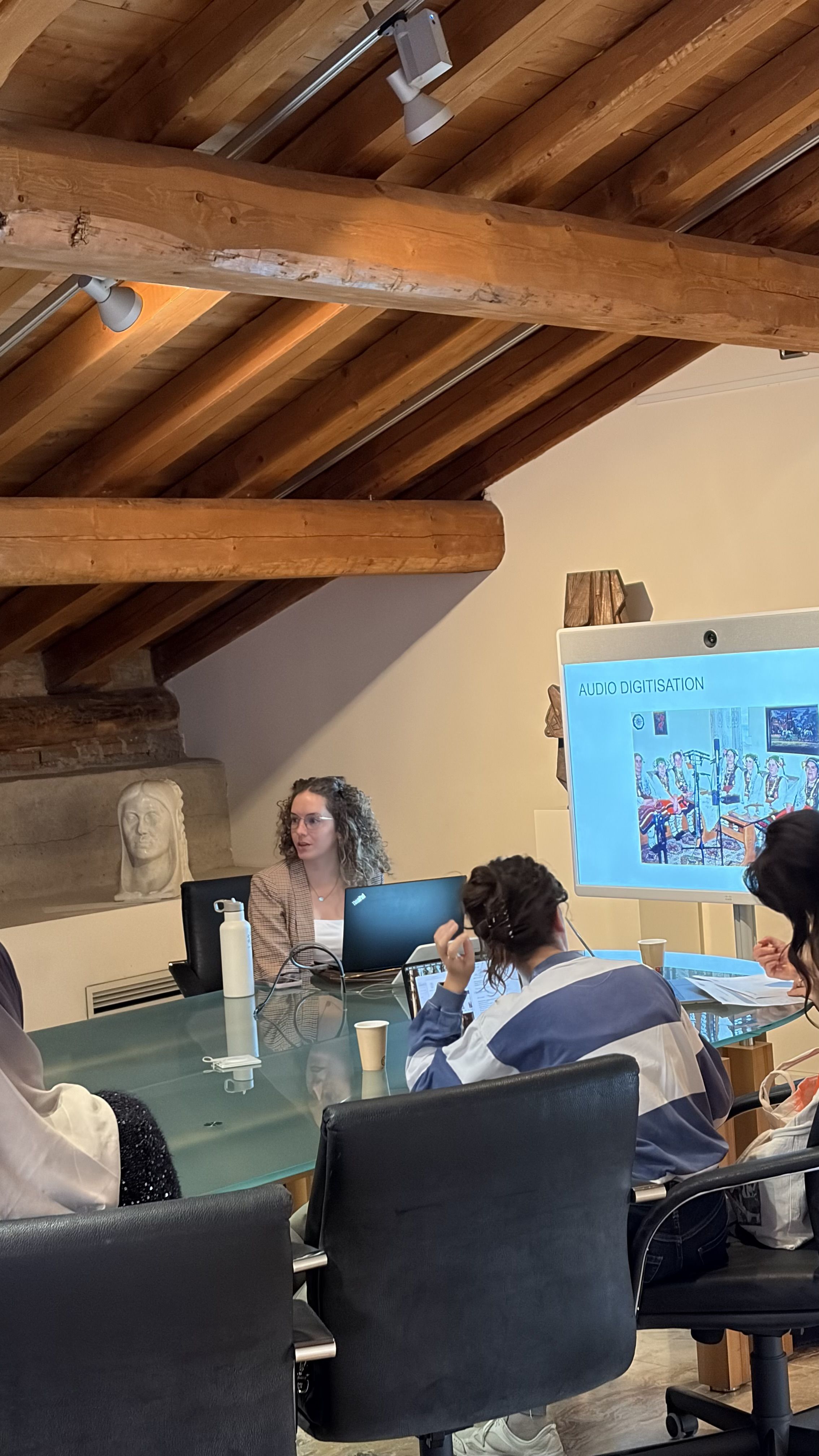
The Academy was designed to combine theoretical understanding with practical experience. Participants first learned why the digitalisation of intangible cultural heritage matters, which methods can be used and how different types of heritage require different approaches. The main focus, however, was hands-on learning. Rather than only discussing digitalisation, the talents became actively involved in the process and gained practical experience with the equipment used to document cultural heritage.
Seven intangible-cultural-heritage holders joined the Academy and presented traditions connected to the Bergamo area. The practices included Burattini, the local puppet-theatre tradition; Teedei di Vertova, traditional pasta; two representatives of local maize traditions; Baghet, traditional instrument; Pirlì, a traditional game; and Strachitunt cheese.
Each tradition offered a different perspective on the meaning of intangible heritage. Some were connected to performance and storytelling, others to music, food production, local skills or shared community activities. This diversity demonstrated why intangible heritage cannot be preserved through a single method. It needs to be recorded through movements, sounds, images and contextual information.
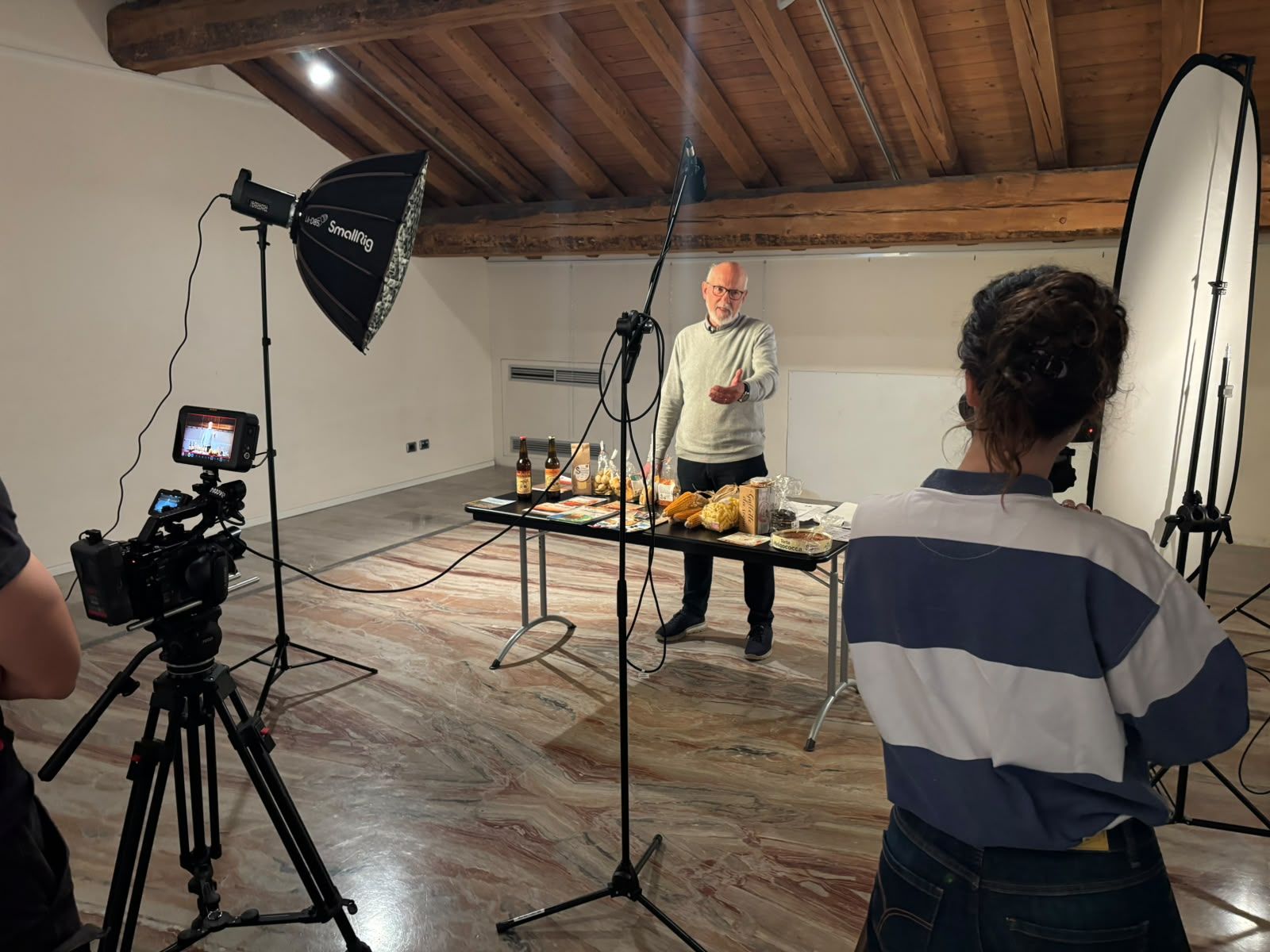
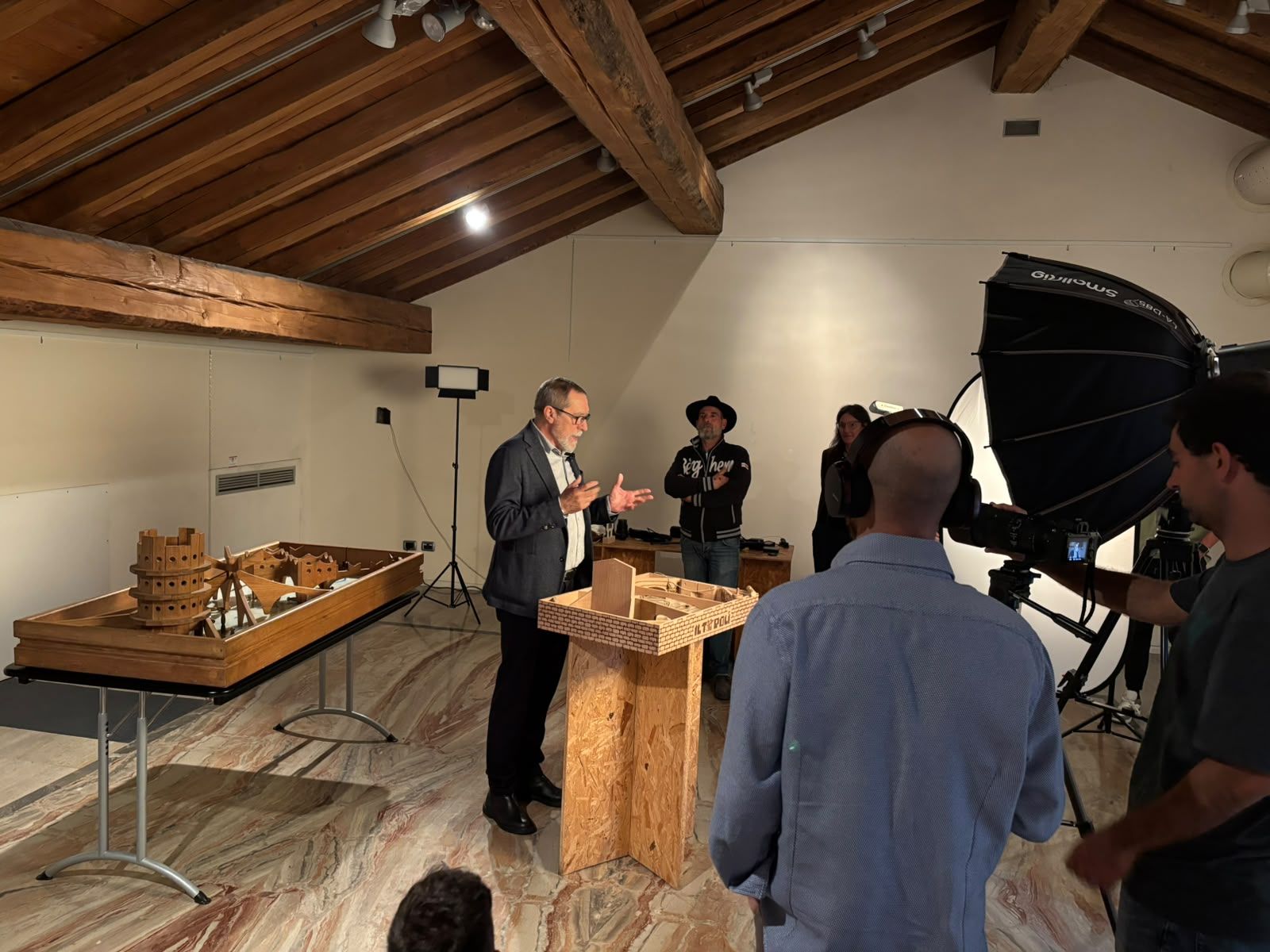
During the Academy, the participating practices were captured through motion recording, audio recording and video documentation. In the case of Pirlì, for example, the tradition was documented while the holders played the game itself. This made it possible to capture not only a verbal explanation, but also the gestures, movements and interaction that form an essential part of the practice.
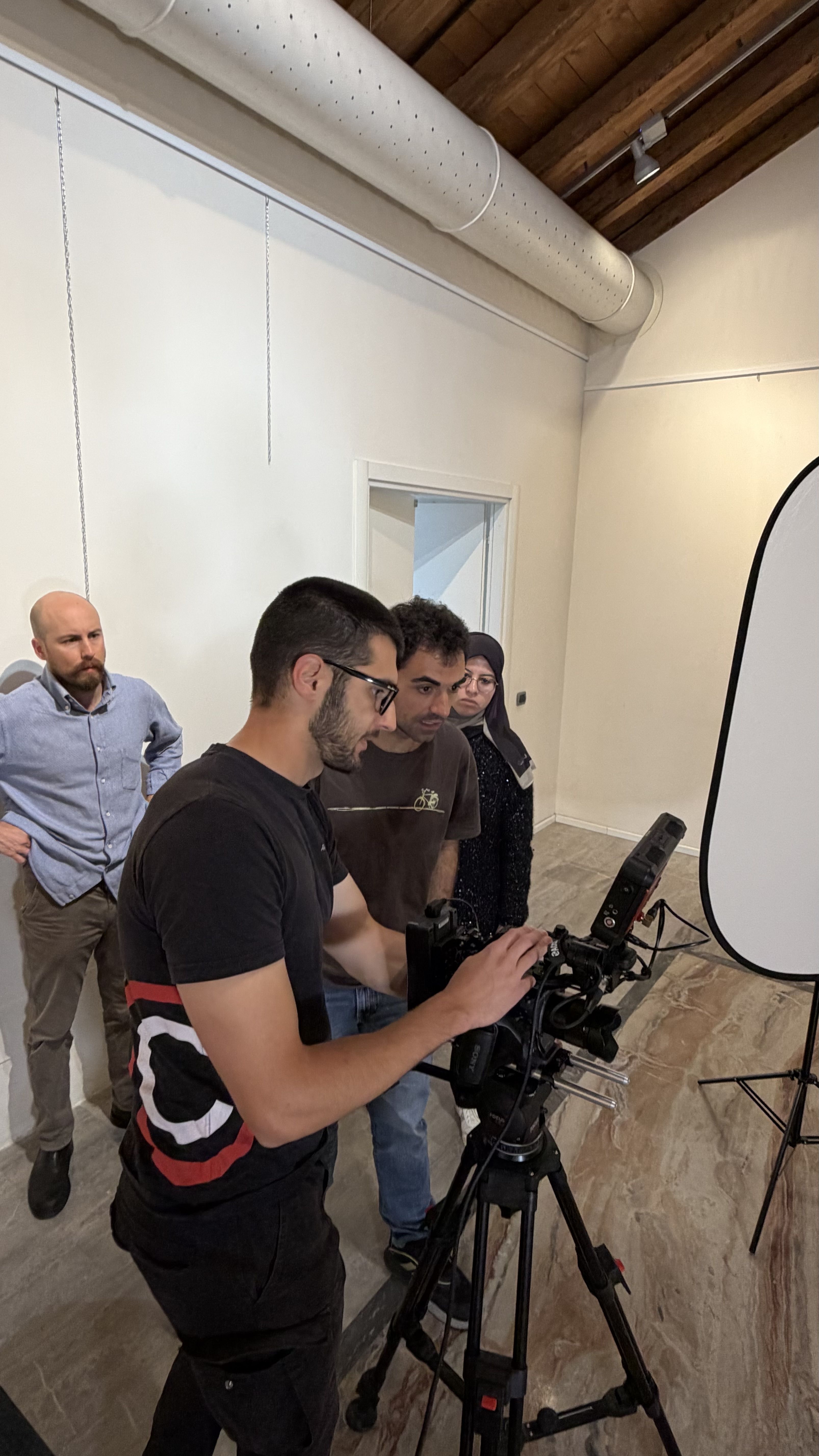
The talents were introduced to the complete digitalisation workflow. They learned how to approach the recording of a heritage practice, how to prepare the setting and how to use technical equipment in practice. They handled microphones, lights, reflectors and cameras, gaining first-hand experience of the decisions that influence the quality and usefulness of digital heritage content.
ARCTUR’s team supported the process from both the conceptual and technical perspectives. Jedrt Mikelj provided the theoretical background to heritage digitalisation and introduced the participants to the purpose and principles behind the process. Luka Vodopivec and Matteo Pascale formed the technical team, guiding the talents through the practical aspects of recording and giving them direct insights into the use of the equipment.
The Academy showed that digitalisation is a collaborative process that requires trust, careful listening and respect for the communities that carry the heritage. Technology can provide powerful tools for documentation and dissemination, but the knowledge of the heritage holders remains the starting point.
The materials recorded during the Academy will now be processed into digital content and uploaded to the THRIVE platform. In this way, the results of the workshops will become accessible beyond the event itself and contribute to the wider objective of the THRIVE project: preserving rural intangible heritage, strengthening connections between generations and giving talents the skills to support cultural heritage in new and creative ways.